

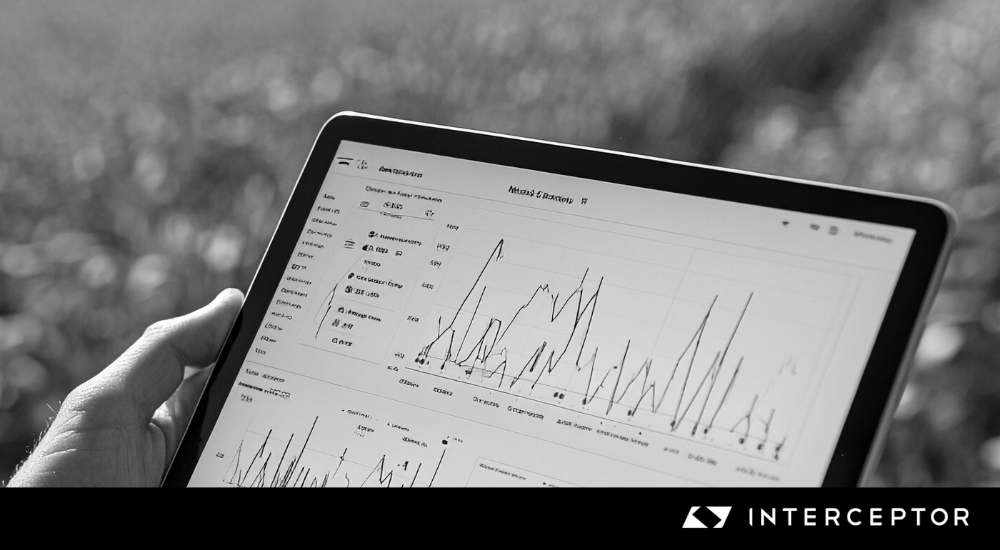
Industrial operations are becoming increasingly complex. From distributed assets and remote facilities to rising operational costs, organizations are under constant pressure to improve efficiency while maintaining reliability.
This is where remote monitoring systems are delivering measurable value.
By leveraging Industrial Internet of Things (IIoT) technologies, remote monitoring enables real-time visibility into operations, helping organizations reduce costs, improve uptime, and make faster, data-driven decisions.
In fact, research shows that predictive maintenance enabled by IIoT can reduce maintenance costs by up to 30% and decrease unplanned downtime by up to 50%. This shift from reactive to data-driven maintenance allows organizations to optimize asset performance and reduce operational risk.
What Remote Monitoring Really Means for Industrial Operations
At its core, remote monitoring involves collecting and analyzing data from field assets, such as pumps, pipelines, compressors, and environmental systems, without requiring constant on-site presence.
Using connected sensors, edge gateways, and cloud-based platforms, operators can track:
- Equipment performance
- Environmental conditions
- System anomalies
- Operational trends
This creates a continuous, real-time view of operations, replacing delayed reporting and manual inspections with actionable insights.
This data is processed at the edge and in the cloud, enabling faster insights and more efficient operations.
Solutions like BlackPearl’s Zephyr wireless instrument gauge and BlackDAQ data acquisition systems enable organizations to capture high-quality field data, while platforms like Data Nebula Cloud provide centralized visibility and analytics across distributed assets.
Driving ROI: Cost Reduction, Uptime, and Visibility
One of the biggest advantages of remote monitoring is its ability to translate operational data into measurable business value. By replacing manual processes with real-time insights, organizations can reduce costs, improve reliability, and gain full visibility across operations.
Key areas where remote monitoring delivers ROI:
Reducing operational costs
Traditional operations rely on manual inspections, scheduled maintenance, and reactive troubleshooting, processes that are time-consuming and expensive. Remote monitoring reduces site visits, automates data collection, and enables early detection of issues, directly lowering labor and maintenance costs.
According to Deloitte, organizations adopting digital monitoring solutions can reduce operational costs by an average of 10–20%.
Improving uptime with predictive insights
Unplanned downtime is one of the highest hidden costs in industrial operations. By continuously analyzing equipment data, remote monitoring enables predictive maintenance, helping prevent failures before they occur. This reduces costly disruptions, improves production continuity, and increases asset utilization.
Studies show this approach can extend asset life by 20–40%, while improving overall equipment effectiveness. Edge solutions like BlackPearl’s Beacon Micro PoE Edge Gateway further strengthen ROI by enabling faster, real-time response at the source.
Expanding visibility across distributed infrastructure
Limited visibility often leads to delayed decisions, inefficiencies, and higher operational risk. Remote monitoring provides centralized, real-time visibility across all assets, allowing operators to respond faster and optimize performance across locations.
As IIoT adoption grows, with over 29 billion connected devices expected by 2030, according to Statista, this visibility becomes essential for maintaining control at scale. Platforms like Data Nebula Cloud unify data into a single view, enabling better decisions that directly impact efficiency and cost.
Turning Data into Measurable Business Value
The true ROI of remote monitoring lies in its ability to transform raw data into actionable insights.
Instead of relying on delayed reports or manual logs, organizations gain access to real-time intelligence that supports:
- Faster decision-making by providing instant visibility into asset performance and operational conditions
- Improved resource allocation through data-driven insights that optimize labor, maintenance, and equipment usage
- Better operational planning by identifying trends, forecasting issues, and enabling more proactive strategies
Over time, this leads to:
- Lower operational costs by reducing inefficiencies, minimizing downtime, and automating manual processes
- Increased asset lifespan through continuous monitoring and timely maintenance interventions
- Improved safety and compliance by detecting anomalies early and maintaining accurate, audit-ready data
Remote monitoring is no longer just about collecting data; it’s about translating visibility into measurable business value.
Building a Scalable Remote Monitoring Strategy
To fully realize the ROI of remote monitoring, organizations must build systems that are scalable, secure, and designed for industrial environments, not just deploy isolated tools.
This includes:
- Reliable field data collection through industrial-grade sensors and gauges that ensure accurate, continuous data from critical assets
- Secure edge processing using edge gateways to filter, process, and act on data locally, reducing latency and bandwidth dependency
- Centralized data platforms that aggregate and analyze data across sites, enabling real-time visibility and historical insights
- Integration with existing workflows so monitoring data directly informs maintenance, operations, and decision-making processes
When these elements work together, organizations move beyond fragmented monitoring and build a connected, intelligent system, one that improves visibility, reduces inefficiencies, and drives measurable operational ROI.
The Future of Industrial Visibility
As industrial systems continue to evolve, remote monitoring will play an increasingly critical role in how organizations operate.
By reducing costs, improving uptime, and expanding visibility, remote monitoring solutions are helping organizations build more resilient, efficient, and scalable operations. They enable faster response to issues, better resource utilization, and more predictable performance across distributed assets.
With integrated ecosystems like those developed by BlackPearl, organizations can connect field assets, process data at the edge, and gain real-time insights, all while maintaining control over their operations and scaling with growing infrastructure demands.
In an industry where every decision impacts cost, safety, and performance, visibility is no longer optional; it’s a competitive advantage.
